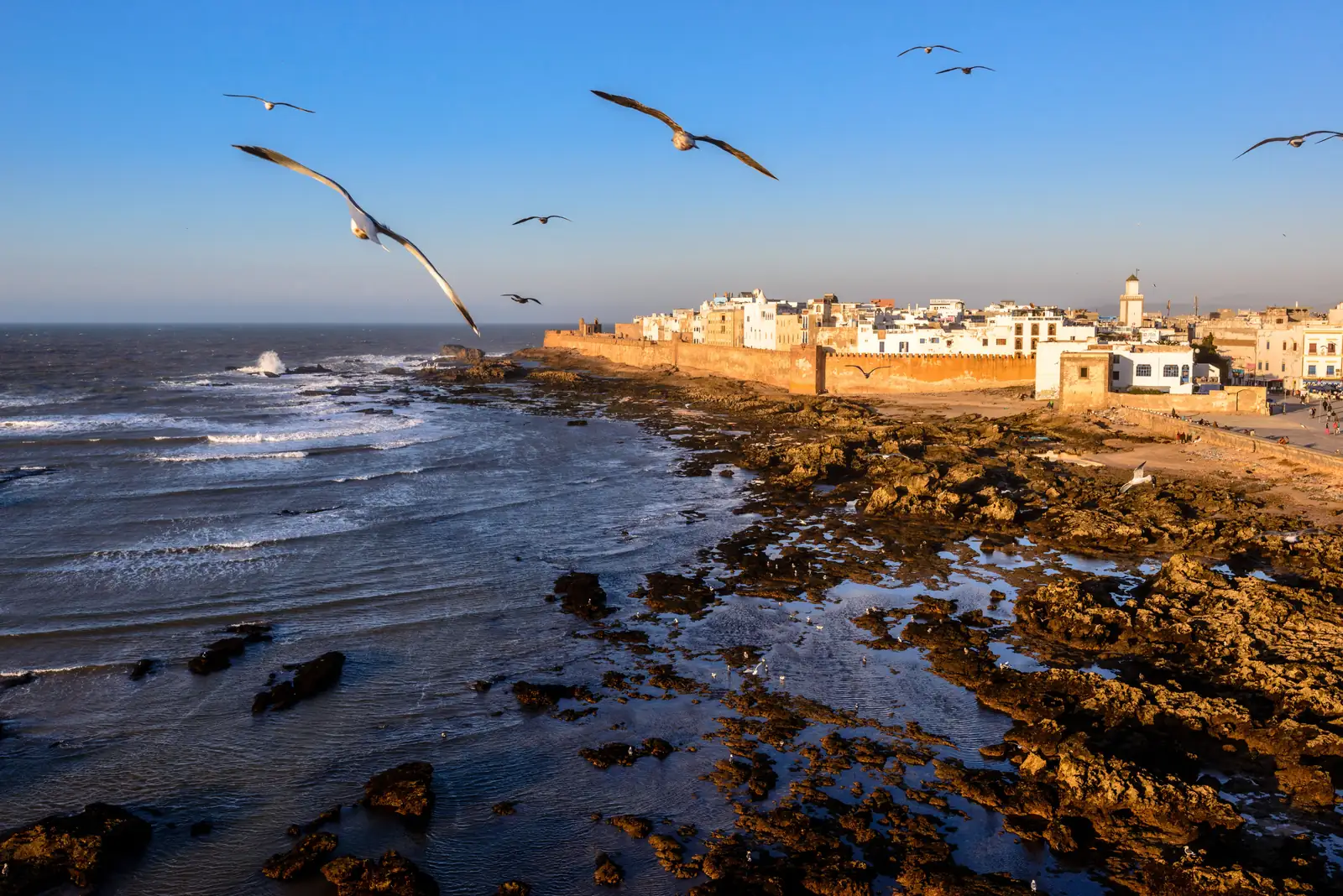
Essaouira is one of the most relaxed cities in Morocco. The old town is small enough to cross on foot, the streets are calm compared with Marrakech, and the Atlantic wind keeps the air fresh all year. This guide covers the five places worth your time, plus a short introduction to Gnawa music, the sound of the city.
Quick facts
- Where: On the Atlantic coast, about 175 km west of Marrakech and about 173 km north of Agadir.
- How long to stay: One night is the minimum. Two nights let you enjoy it without rushing.
- Weather: Mild all year, with a steady wind. Bring a light jacket, even in summer.
- Getting around: The medina is closed to cars, so you will walk.
1. The medina
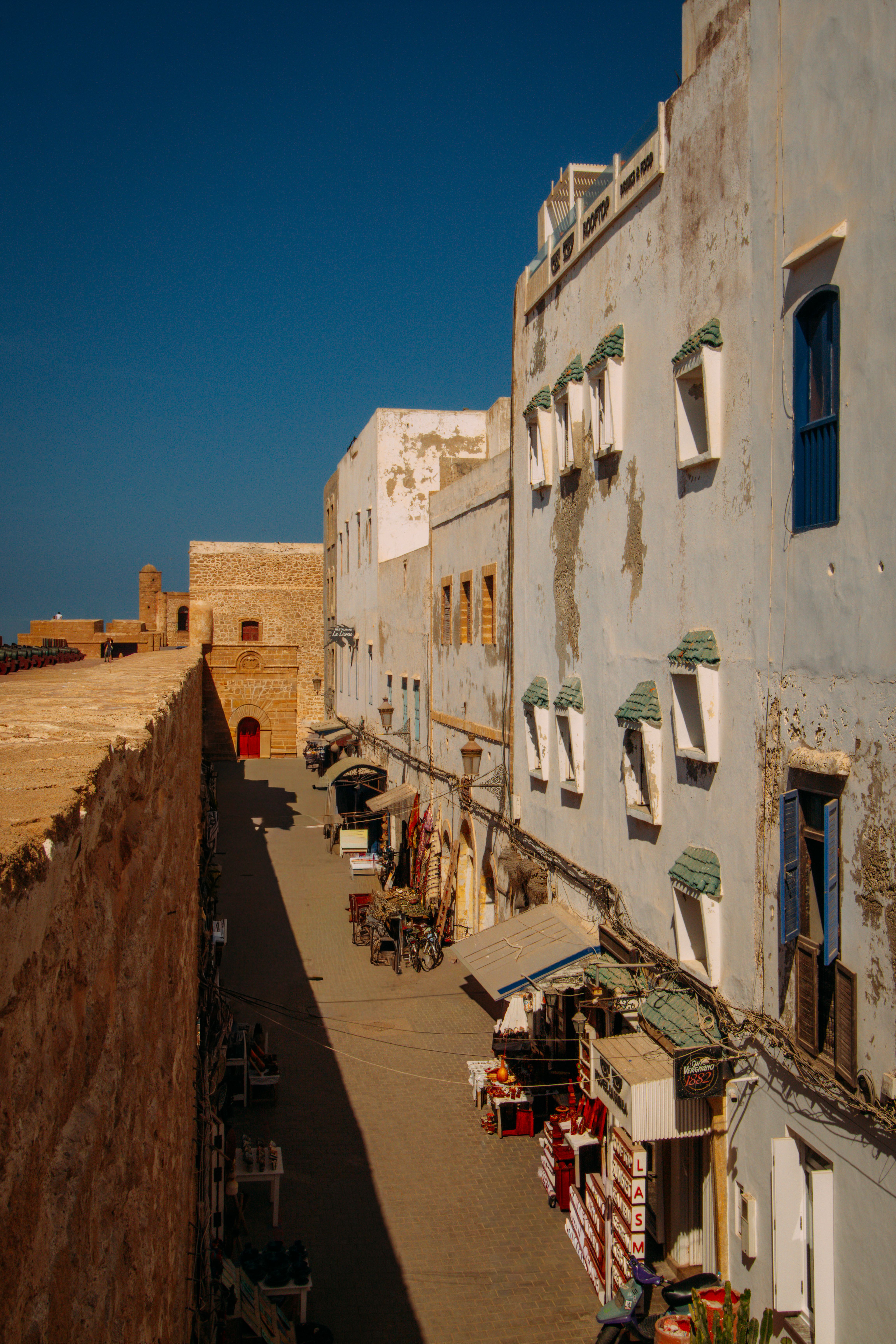
The old town has been a UNESCO World Heritage Site since 2001. The streets follow a clear grid, so it is hard to get lost, and the white walls and blue shutters make every corner good for photos. Look for small workshops, galleries and spice shops. Thuya wood marquetry is the local craft, and argan oil is sold in many shops, often from women's cooperatives. Compare a few shops and only buy what you like.
2. The ramparts and Skala de la Ville
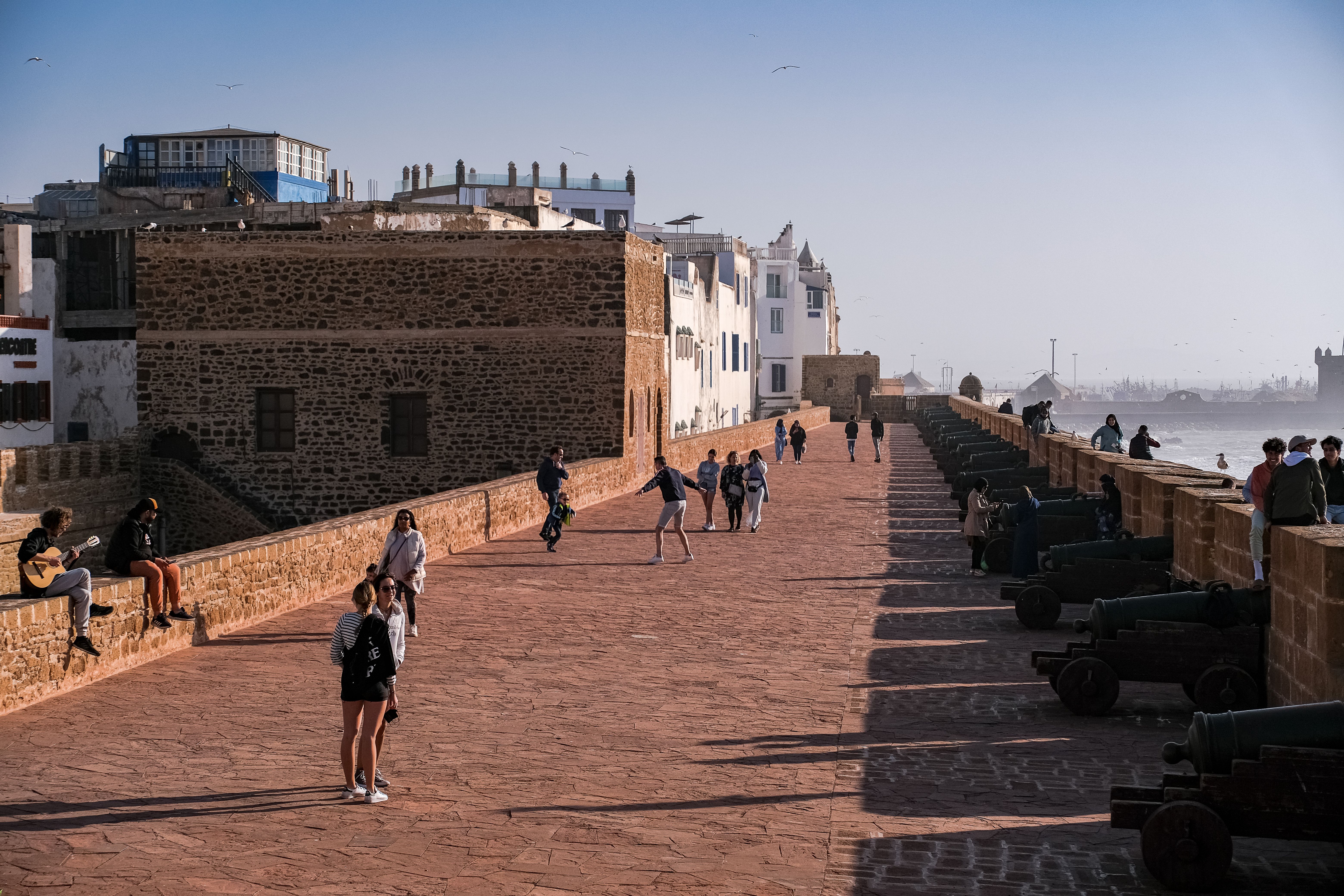
The sea wall is lined with old cannons facing the ocean. Go in the late afternoon, when the light is soft and you can watch the waves hit the rocks, with the rooftops and the islands in view. Opening times and entry rules can change, so check when you arrive.
3. The fishing port
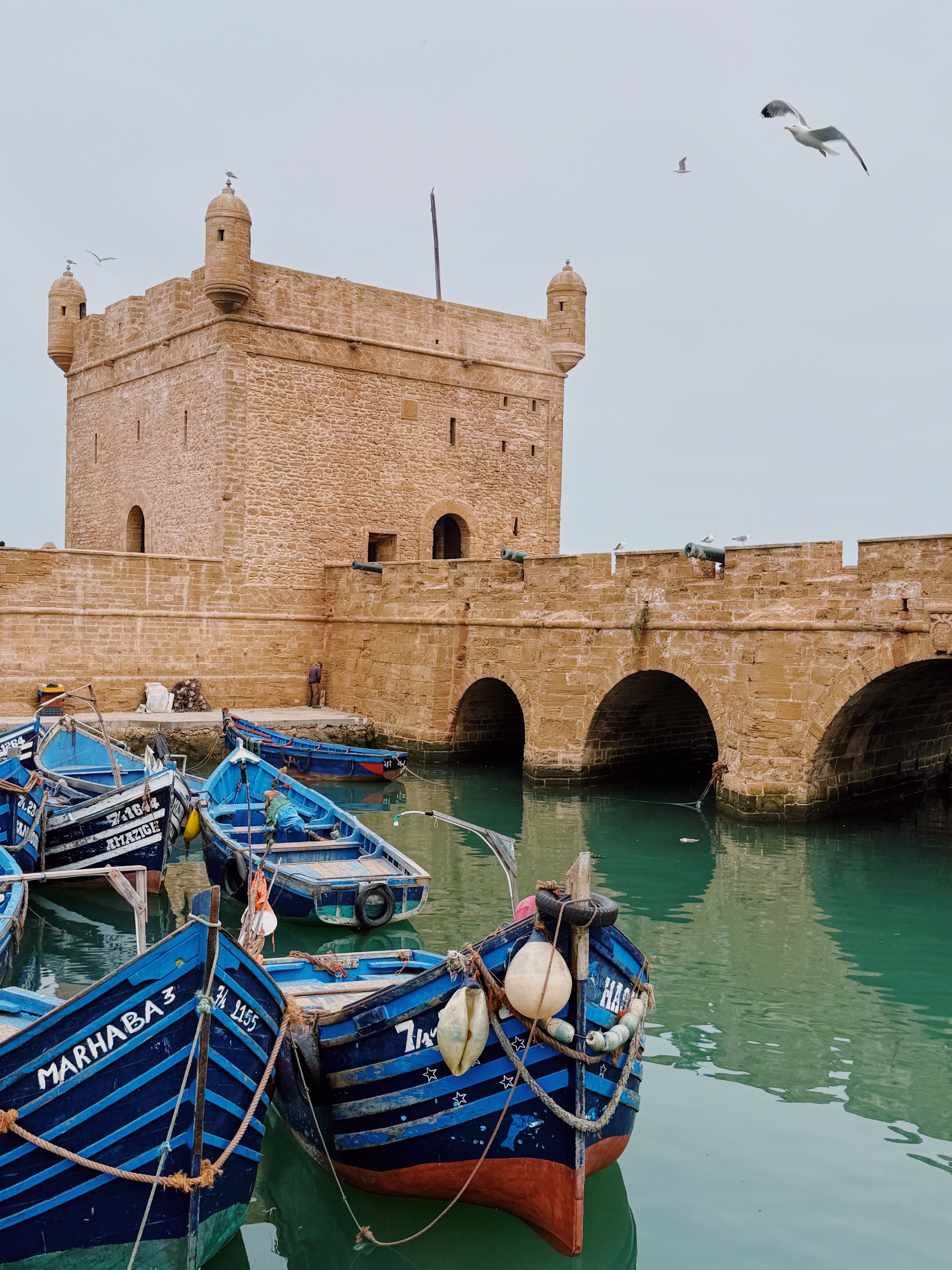
The port is one of the most colourful spots in the city, with blue wooden boats, nets and seagulls. It is a working port, famous for sardines. Fresh fish is sold at the stalls and grilled nearby. Choose a busy stall, agree on what you are ordering and the price before you sit, and go around lunchtime when the catch is fresh. The sea gate, Bab el-Marsa, leads into the port and is one of the city's most impressive entrances.
4. The beach
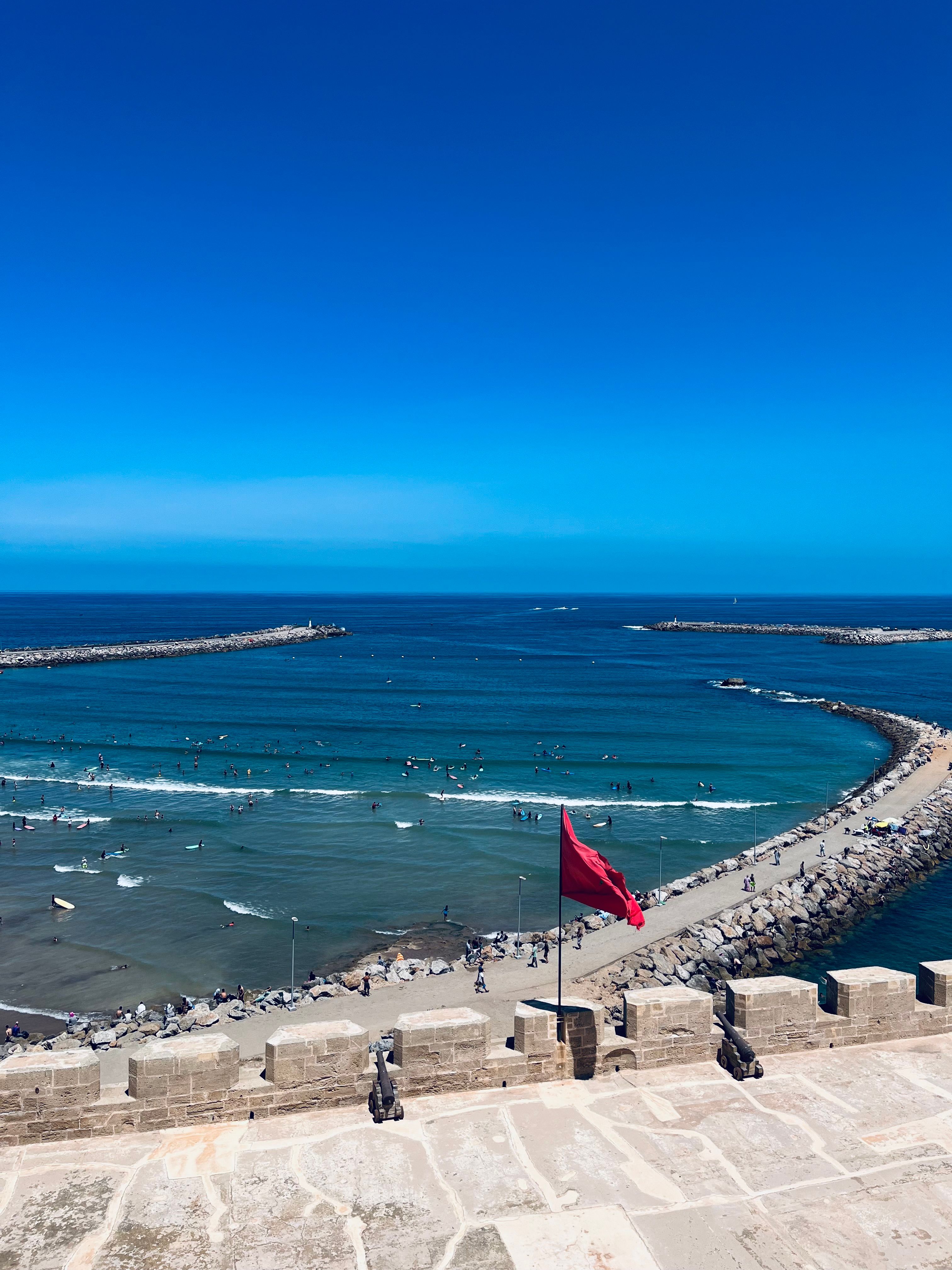
Essaouira's long beach is open and windy. That is why the city is known for windsurfing and kitesurfing. If you do not surf, it is still a nice place to walk at sunset or to see camels and horses along the shore. For swimming, ask locals where the water is calmer.
Gnawa: the sound of Essaouira
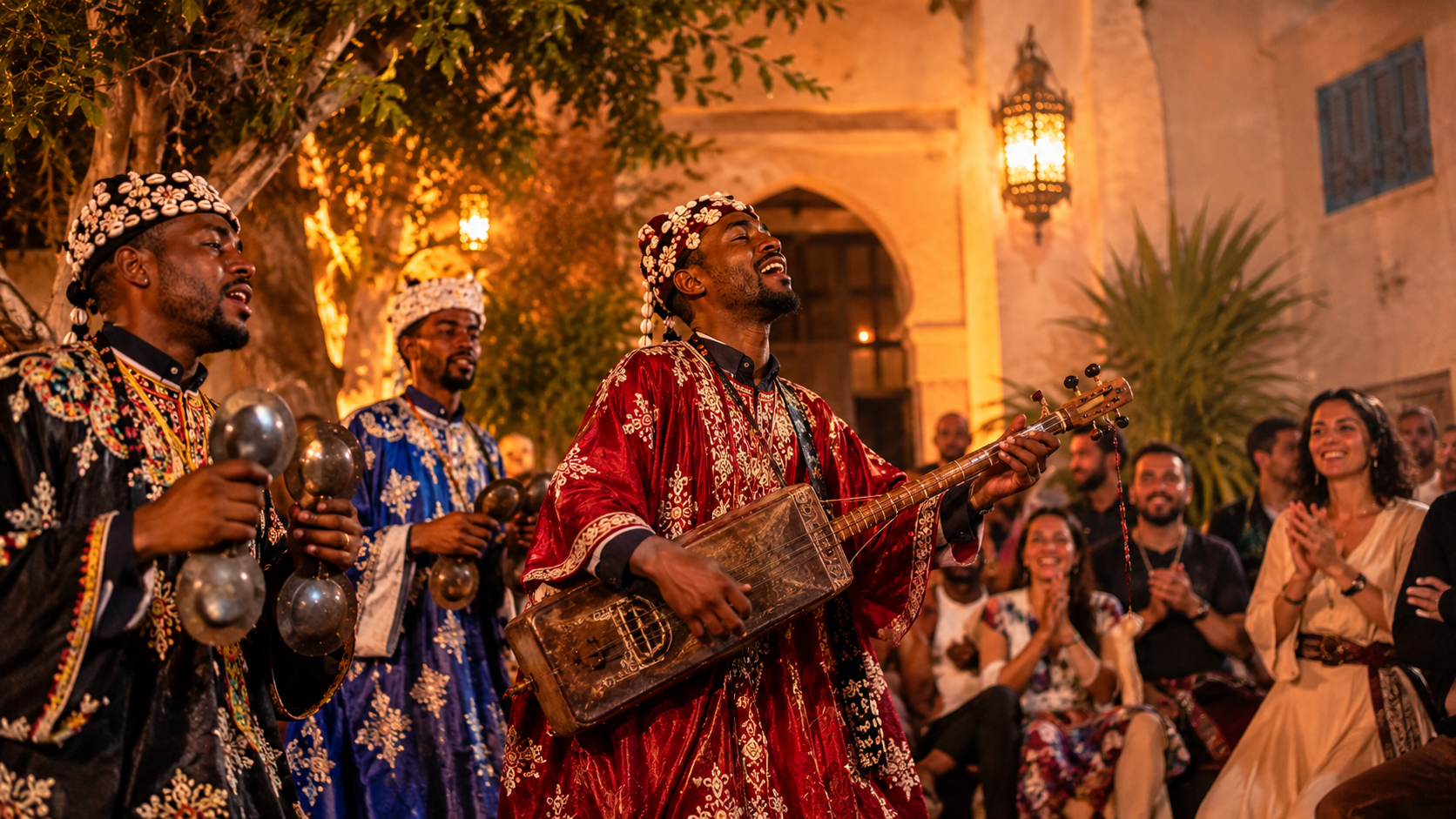
Gnawa is a spiritual and musical tradition with roots in communities brought to Morocco from sub-Saharan Africa. It mixes song, rhythm and ritual, and UNESCO added it to its list of intangible cultural heritage in 2019. Essaouira is where it is most visible today.
You will recognise it by the guembri, a three-stringed bass lute played by the master musician (the maalem), and the qraqeb, large metal castanets that give it a steady, hypnotic rhythm. Street musicians and cafés with live music are an easy way to hear it. Gnawa is a spiritual tradition first and a show second, so ask before filming.
Frequently asked questions
How many days do you need in Essaouira?
Two days are enough to see the medina, ramparts and port at a relaxed pace. Add a third day if you want to surf or ride on the beach.
Is Essaouira worth visiting?
Yes. It is calmer than Marrakech, walkable, friendly to first-time visitors and has a unique mix of history, art and music.
Is Essaouira windy all year?
Mostly yes. The wind is part of its character, so bring a layer even in summer.